Fresh vs Frozen Donor Eggs: What’s the Right Choice for You?

Deciding to create a family using donor eggs is a major choice, and one of the most significant decisions prospective parents must make is whether to opt for fresh vs frozen donor eggs. Each option presents its own set of benefits and possible disadvantages, and comprehending the distinctions can enhance your confidence as you progress …

Fresh-vs-Frozen-Donor-Eggs

Share

Deciding to create a family using donor eggs is a major choice, and one of the most significant decisions prospective parents must make is whether to opt for fresh vs frozen donor eggs. Each option presents its own set of benefits and possible disadvantages, and comprehending the distinctions can enhance your confidence as you progress with your plans.

This article will outline what we understand about success rates, along with practical factors to consider for both fresh vs frozen egg donor. We will examine the most recent research, clarify what the statistics signify for you, and explore the real-world elements that may make one choice more suitable. Although there is no definitive right answer, having clear information can assist you in determining what is best for your family.

At The Embryon Family Fertility Center in Kyiv, Ukraine, intended mothers have the option to undergo a donor egg cycle utilizing either fresh vs frozen donor eggs. Let’s take a look:

Key Reasons to Choose Donor Eggs:

1. Age-Related Infertility:

  • As women age, both the quality and quantity of their eggs diminish, making natural conception or IVF more challenging. 
  • Women over the age of 40 may see a notable reduction in their chances of achieving a successful pregnancy. 
  • Utilizing donor eggs can help counteract this age-related decline by providing younger, healthier eggs.

2. Premature Ovarian Insufficiency (POI):

  • POI, often referred to as premature menopause, occurs when a woman’s ovaries cease functioning before reaching 40 years of age.
  • This condition can lead to infertility as the ovaries may not produce eggs or sufficient estrogen.
  • For women with POI who desire to have children, egg donation can serve as a viable solution.

3. Poor Egg Quality or Quantity:

  • Some women may face a low ovarian reserve (having fewer eggs than what is typical for their age) or may experience subpar egg quality.
  • This situation can arise from various factors, including genetic disorders, cancer treatments, or prior surgeries.
  • Egg donation provides an opportunity to conceive using healthy, viable eggs from a donor.

4. Genetic Conditions:

  • Women who are carriers of specific genetic disorders (such as cystic fibrosis or muscular dystrophy) may opt for donor eggs to prevent transmitting the condition to their offspring.
  • Egg donation can help mitigate these genetic risks while still enabling pregnancy.

5. Recurrent IVF Failures:

  • Women who have undergone multiple IVF cycles with poor egg quality or fertilization challenges may consider egg donation.
  • This can be a successful alternative when previous IVF attempts have not succeeded.

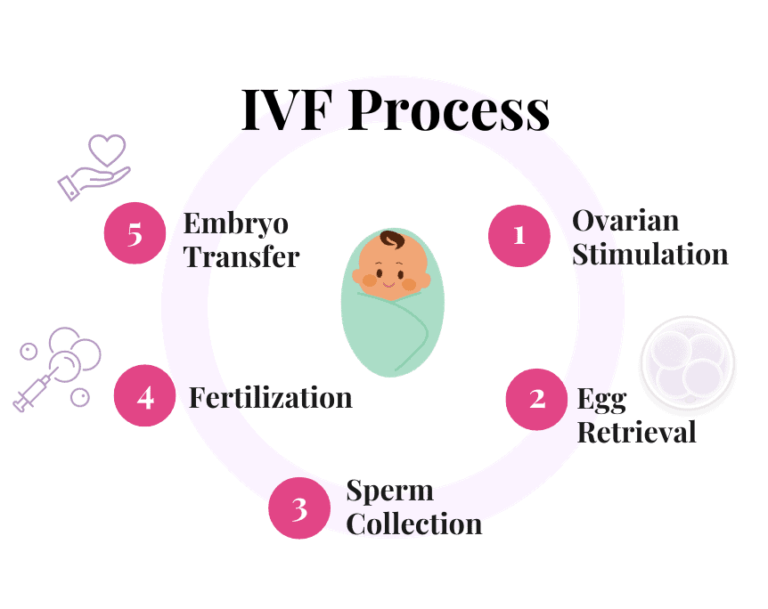
The IVF Process

ivf-process

Fresh donor eggs are collected through a procedure known as egg retrieval. These eggs are then fertilized right away in the laboratory through a method called in vitro fertilization (IVF). In the case of frozen donor eggs, the collection process is similar, but the eggs are preserved through a technique called vitrification on the same day they are retrieved, without undergoing fertilization. Future IVF procedures will be conducted on these eggs after they have been thawed.

The Embryon Family Fertility Center has been offering both fresh donor egg cycles since 1995 and frozen donor eggs from 1998.

Fresh vs Frozen Donor Eggs

When considering donor-assisted IVF treatment, which option is better: fresh vs frozen donor eggs?

While many prospective mothers still prefer fresh donor egg cycles, a growing number of patients are choosing fresh vs frozen egg donor. In 2022, the United States reported 985 fresh donor egg cycles and 2,817 frozen donor egg cycles. If you are deliberating between fresh and frozen eggs for your egg donation cycle, take into account the following key factors:

Fresh vs Frozen Donor Eggs Success Rates

The success rates for fresh donor eggs are similar to those of frozen donor eggs. In 2022, the live birth rate for fresh donor eggs was 38.7%, while for frozen donor eggs, it was 38.9% in the US. By 2024, our recorded live birth rates for fresh vs frozen donor eggs were 86.50% and 48.2%, respectively.

An examination of 135,085 donor egg cycles from fertility clinics in the U.S. revealed that:

  • The rates of clinical pregnancy are marginally reduced when using frozen donor oocytes, particularly in the case of fresh embryo transfers.
  • The rates of live births are also slightly diminished with frozen donor oocytes for both fresh and frozen embryo transfers.
  • The rates of miscarriage are somewhat elevated with frozen donor oocytes, notably in fresh embryo transfers.
  • For singleton live births, the probability of having a term baby with a healthy birth weight is comparable between fresh vs frozen egg donor oocytes.

Despite these distinctions, it is crucial to remember that the disparity in success rates is quite minimal, and once a pregnancy is confirmed, the likelihood of having a healthy, full-term baby is almost the same for both fresh vs frozen donor eggs. The optimal decision frequently depends on factors such as timing, cost, donor availability, and what aligns best with your individual and medical situations.

IVF | Egg Retrieval

If an intended mother opts for a fresh donor egg cycle, there may be a greater number of eggs available for treatment. Our average egg collection from a single donor yields 17 mature eggs (Metaphase II), which are ready for immediate fertilization (fresh) or future use (vitrified). Recipients can utilize fresh eggs for current pregnancies or freeze embryos for future pregnancies, potentially allowing multiple pregnancies from one donation cycle. Frozen eggs are generally provided in groups of 6, 9, or 12. The survival rate of vitrified eggs at our clinic exceeds 93% following the thawing process.

In 2024, the United States live birth rate for donor egg IVF, reported to be 10,000 babies, was notably high, with rates fluctuating between 50% and 70% for fresh donor egg cycles.

Potential Benefits of Creating More Embryos

The availability of more eggs leads to the creation of a greater number of embryos, thereby enhancing the likelihood of successful conception and the possibility of multiple pregnancies. Typically, fresh donations result in a higher yield of embryos compared to frozen ones, which can be advantageous for recipients who plan to have more than one child.

Donor Egg Availability & Diversity

One major advantage of using frozen eggs is the decreased waiting period. Eggs can typically be obtained right away from our own egg and sperm bank. Furthermore, there is no requirement for cycle synchronization between the egg donor and the recipient.

Conversely, to ready your endometrium for an embryo transfer from fresh donor eggs, the preparation time is between 14 to 21 days. During this period, we can efficiently prepare the egg donor once you have made your choice. Our donors are primarily Ukrainian women from the Eastern Slavic ethnic group. While they share traits with other Slavic groups like Belarusians and Russians, Ukrainians display a wide range of physical features shaped by historical influences and regional variations.

Cost for a donor egg IVF cycle

The price for our eSET fresh donor egg IVF cycle utilizing either fresh or frozen eggs is ±$11,000, whereas the expense for a fresh donor egg cycle in the United States surpasses $30,000.

Regardless of whether you opt for fresh or frozen donor eggs, both options can enhance your chances of achieving a successful conception through IVF. For an online complimentary consultation about you’re your options or any inquiries regarding our surrogate mother or eSET donor egg IVF plans, please contact us today to consult with one of our expert fertility consultants!

Conclusion

In conclusion, I want to highlight the psychological factors surrounding egg donation and IVF that often go unaddressed. Anyone who has experienced IVF with their own eggs may develop what psychology refers to as “fear memory.” This type of memory arises because, in many instances, not enough eggs are retrieved, or their maturity and quality may not be optimal. I bring this up because we can significantly impact our emotions through the “power of thought.” 

Our eSET fresh donor egg IVF cycle offers 12 mature eggs sourced from a highly qualified egg donor, who is among the top 5% of all donors who have successfully passed our eligibility screening. When these 12 mature eggs are fertilized with sperm that has a healthy count, they typically produce at least two or three well-developed 5-day embryos, referred to as Blastocysts. With high grade blastocysts, your statistical chances of achieving a live birth already surpass the 65% threshold.Please don’t overthink your situation; we are here for you seven days a week, available for 16 hours each day. We invite you to take advantage of our unlimited complimentary consultation calls. Simply book your appointment, and we’ll be ready to assist you.

Ira Nissel

Ira Nissel

Ira Nissel, the Founder and CEO of The Embryon Family, is a native New Yorker currently residing in Kyiv, Ukraine, where he guides couples and single women on their journey to parenthood. Read his story...
Table of Contents
Share
Ira Nissel

Ira Nissel

Ira Nissel, the Founder and CEO of The Embryon Family, is a native New Yorker currently residing in Kyiv, Ukraine, where he guides couples and single women on their journey to parenthood. Read his story...
Share
Ira Nissel

Ira Nissel

Ira Nissel, the Founder and CEO of The Embryon Family, is a native New Yorker currently residing in Kyiv, Ukraine, where he guides couples and single women on their journey to parenthood. Read his story...

Leave a Reply

Your email address will not be published. Required fields are marked *

error: Content is protected !!