


Egg Donation in Ukraine A Thoughtful Path to Parenthood
Choosing egg donation is rarely a first step. Most intended parents arrive here after years of consultations, testing, and deeply personal decisions about how to move forward. This page is designed to give you clear, medically grounded information without pressure so you can understand whether donor egg IVF in Ukraine is the right path for you.
Egg donation is an established fertility treatment for people who are unable to conceive using their own eggs. It may be recommended when pregnancy using a person's own eggs is no longer possible or when there is a significant risk of passing on certain inherited genetic conditions. For single parents and same-sex couples, donor eggs may also form part of the path to parenthood.
If you're considering egg donation in Ukraine, understanding the treatment itself is only part of the decision. Donor screening, Ukrainian regulations, donor anonymity, treatment timelines, success rates, and the practical requirements of traveling for treatment can all influence how you approach the process.

When is Egg Donation Recommended?
Egg donation is usually recommended when using your own eggs is unlikely to result in a successful or healthy pregnancy. According to the American Society for Reproductive Medicine (ASRM), indications for donor oocytes can include advanced reproductive age, diminished ovarian reserve, hypergonadotropic hypogonadism, and certain significant genetic conditions. In these situations, using donor eggs may improve the chances of creating healthy embryos and achieving a successful pregnancy.
A fertility specialist may recommend donor egg IVF if you:
- Have diminished ovarian reserve (low AMH)
- Have premature ovarian insufficiency (POI)
- Have had previous fertility treatment where the response or egg quality makes using your own eggs less likely to result in a successful outcome
- Have certain genetic conditions or a significant genetic risk
- Are experiencing age-related decline in ovarian function
- Have undergone cancer treatments that affected ovarian function
The American Society for Reproductive Medicine (ASRM) suggests that for women with POI, current ASRM guidance recognizes oocyte donation as an established option for achieving pregnancy.
Egg donation is most commonly recommended for medical reasons. However, it may also be part of the treatment pathway for single parents and same-sex couples who require donor eggs to build their families. The most appropriate treatment approach depends on each individual's medical history, fertility goals, and clinical evaluation, which is why every treatment plan begins with a consultation with a fertility specialist.
What Does the Ukrainian Law Say About Egg Donation
Egg donation is legally permitted in Ukraine and is regulated under the country's assisted reproductive technology (ART) framework. The principal regulation is Ministry of Health Order No. 787, “On Approval of the Procedure for the Use of Assisted Reproductive Technologies in Ukraine,” which sets out the requirements for the use of ART, including donor programs (Ministry of Health of Ukraine, Order No. 787)
Under Ukrainian law, egg donors have no parental rights or legal claim to children born from their donated eggs. Instead, the prospective parent or parents receiving treatment are recognized as the child's legal parents from birth when the legal requirements have been met.
Ukraine also maintains donor anonymity as part of its assisted reproduction framework. While recipients receive important non-identifying information about a donor, personal identifying information is not shared.
Eligibility to receive donor eggs depends on both medical evaluation and Ukrainian ART regulations. Likewise, women who wish to become egg donors must meet the clinic's medical and legal eligibility requirements before entering a donation program.
Although Ukrainian law provides a clear framework for treatment within the country, intended parents should also understand how donor conception, parentage, citizenship, and travel documentation are handled in their own country before beginning treatment.

How Does Egg Donation Work in Ukraine?
Egg donation in Ukraine follows a structured IVF pathway that begins with a fertility consultation and medical evaluation. Once a fertility specialist determines that donor egg IVF is the most appropriate treatment option, the clinical team develops a personalized treatment plan based on the intended parents' medical history and reproductive goals.
Although every treatment plan is individualized, the process generally follows these stages:
• Fertility Consultation and Treatment Planning
Your fertility specialist reviews your medical history, previous fertility treatments, and diagnostic test results to determine whether donor eggs are the most appropriate treatment option. During this stage, you'll also discuss treatment timelines, donor preferences, and any additional procedures that may be recommended.
• Donor Selection
Once treatment is confirmed, a suitable egg donor is identified based on the clinic's matching process and eligibility criteria. Donors undergo medical, genetic, and psychological screening before being accepted into the donation program.
• IVF and Embryo Development
Retrieved donor eggs are fertilized using sperm from the intended father or a sperm donor in the IVF laboratory. The resulting embryos are carefully monitored as they develop, and additional procedures, such as genetic testing, may be recommended when clinically appropriate.
• Embryo Transfer
The recipient's uterus is prepared for embryo transfer using a personalized treatment protocol. Once the embryo reaches the appropriate stage of development, it is then transferred into the uterus, where implantation may occur.
How Are the Donor Eggs Selected and Screened?
Choosing an egg donor is an important decision, and knowing how donors are screened can make that decision easier. At the Embryon Family, donors are evaluated across several areas to help ensure they are medically suitable, genetically screened, and prepared for the donation process.
What does the screening include?
- Comprehensive Medical & Genetic Screening: Donors undergo screening for infectious diseases and genetic conditions, including cystic fibrosis (CF) and spinal muscular atrophy (SMA). Their personal and family medical history is also reviewed.
- Age & Fertility: Donors are 21–31 years old, with previous successful donations and having their own children considered as part of the donor profile.
- Healthy Lifestyle: Donors are expected to be non-smokers and non-drug users and maintain a healthy BMI of 18–27.
- Psychological Readiness: Psychological evaluation helps ensure that donors understand what egg donation involves and are prepared to participate in the process.
- Personal & Physical Matching: Donor profiles include details such as education, career, hobbies, ethnicity, hair color, eye color, and other physical characteristics, giving intended parents more information when considering a donor.
- Ethical Standards: The Embryon Family states that its Serenity and Legacy programs follow Ukrainian Ministry of Health, HFEA, and FDA guidelines for donor safety.

The aim is not simply to find an available donor, but to provide intended parents with clear information about each donor before they make their choice. This makes the selection process more transparent and gives families greater confidence as they move forward.
P.S Source: Donor eligibility and screening criteria are based on information published by The Embryon Family on its egg donor database.

Should You Choose Fresh or Frozen Donor Eggs?
Both fresh and frozen donor eggs can be used in IVF. The main difference is when the eggs are retrieved and how they are stored before treatment.
- Fresh Donor Eggs: Fresh eggs are retrieved from the donor and fertilized during the treatment cycle. This requires coordination between the donor's cycle and the recipient's treatment, so timing and donor availability need to be carefully planned.
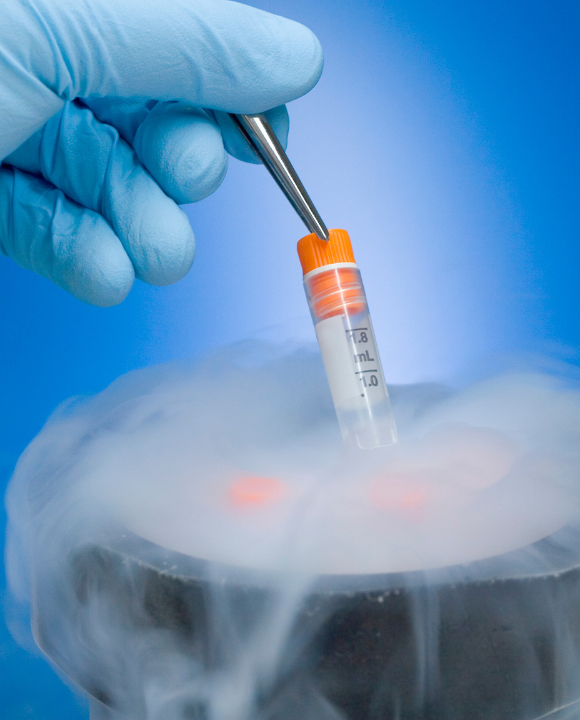
- Frozen Donor Eggs: Frozen eggs have already been retrieved and preserved through vitrification, a rapid freezing method. Because they are already available, treatment can be scheduled with greater flexibility and does not require the donor and recipient's cycles to be synchronized.
- What Does the Evidence Say? According to the American Society for Reproductive Medicine (ASRM), previously cryopreserved donor eggs are a reasonable option compared with fresh donor eggs, with no significant difference in pregnancy rates per transfer. However, evidence on live birth rates is more limited, so outcomes can still vary between treatment cycles.
- Which Option Is Right for You? The choice depends on donor availability, treatment timing, Embryon Family's protocols, and your individual circumstances. Our fertility team can help you understand which option fits your treatment plan.
How Long Does the Egg Donation Process Take?
The egg donation process usually takes around one to two months, from treatment preparation to embryo transfer. The exact timeline can vary depending on donor availability, medical preparation, and your individual treatment plan.
What does the timeline involve?
- Initial Preparation: Consultations, medical tests, and some treatment preparation can often be completed in your home country, which can make planning easier for international patients.
- Donor Selection & Treatment: Once a donor is selected, the donor's treatment and egg retrieval are coordinated with the recipient's preparation. The retrieved eggs are then fertilized through IVF and monitored as the embryos develop.
- Embryo Transfer: The embryo transfer is scheduled according to the recipient's endometrial preparation and clinical readiness. Travel can therefore be planned around the stage that requires your presence in Ukraine.
Because every treatment plan is different, the Embryon Family team can provide a more personalized timeline after reviewing your medical and treatment requirements
Will I Know Who My Egg Donor Is?
In Ukraine, egg donation is anonymous. You will not receive the donor's identifying information, but you can still learn about the person behind the donor profile through relevant non-identifying details.
What information might you be able to see?
- Medical & Family History: Donor profiles can include relevant medical information and family history to help you understand the donor's health background.
- Personal & Physical Characteristics: Depending on the donor profile, you may be able to learn about characteristics such as hair and eye color, education, career, hobbies, ethnicity, and other physical traits.
- Privacy & Anonymity: While this information can help you make an informed choice, the donor's personal identity remains protected. Under Ukraine's ART framework, the donor does not have parental rights or a legal claim to a child born through the donation.
- What About Your Home Country? If you are traveling to Ukraine for treatment, donor anonymity is only one part of the legal picture. Your home country's rules may differ regarding donor information, parentage, citizenship, birth registration, and travel documents.
For international intended parents, understanding both the Ukrainian framework and the requirements of your home country can help you make decisions with greater clarity.
Donor Anonymity and Legal Parentage: What Changes by Country
| Country | Key Consideration |
|---|---|
| United States | Donor arrangements can be anonymous, identity-release, or known, depending on the program and applicable agreements. |
| United Kingdom | Donor anonymity is not permanent. Eligible donor-conceived people can access identifying information about their donor when they reach the applicable age. |
| Israel | Egg donation is regulated, with specific requirements governing donors, recipients, and access to donor information. |
| Germany | Egg donation is restricted domestically under the Embryo Protection Act (Embryonenschutzgesetz). This creates a different legal position for German residents who travel abroad for treatment. |
| Austria | Egg donation is permitted under defined conditions, including rules concerning donor identity and access to information. |
For international intended parents, the Ukrainian legal framework is only one part of the process. Before treatment, it is important to understand how your home country will treat parentage, donor conception, citizenship, birth registration, and travel documents after the child's birth.
What Are the Risks and Considerations of Egg Donation?
Egg donation can offer another path to pregnancy, but it does not guarantee a transferable embryo, pregnancy, or live birth. Understanding what can happen during treatment can help intended parents approach the process with realistic expectations.
What should you consider?
- Embryo Development: Not every retrieved egg will fertilize, and not every resulting embryo will develop into a blastocyst suitable for transfer.
- Donor Availability: Treatment timing can change if a preferred donor is unavailable or a donor reservation changes.
- Genetic Screening: Carrier screening can reduce the risk of passing on certain inherited conditions, but it cannot identify every possible genetic or health condition.
- Medical Considerations: Donors undergo ovarian stimulation and egg retrieval, while recipients undergo preparation for embryo transfer and pregnancy. Individual medical factors can influence the risks and outcome of treatment.
Knowing these possibilities in advance can help you understand that not every cycle follows the expected path and allow you to discuss alternative options with the fertility team if a cycle or embryo transfer is unsuccessful.
What Affects the Success Rates of Donor Egg IVF?
Donor egg IVF can offer good chances of pregnancy, but success is influenced by more than the donor eggs alone. Egg and embryo quality, fertilization, embryo development, laboratory practices, and the recipient's individual clinical factors can all affect the outcome.
How should you read a clinic's success rate?
- Look at what is being measured: Pregnancy, implantation, and live birth rates describe different outcomes and should not be compared as though they mean the same thing.
- Check how the figure is calculated: A cumulative rate may include outcomes from more than one embryo transfer, while a per-transfer rate measures a single transfer.
- Look at the patient group: The patients included, treatment period, and clinical circumstances can all affect a reported success rate.
- Consider the individual treatment plan: A clinic's overall figure cannot predict the outcome of one person's treatment cycle.
The Embryon Family currently publishes success rate information for its donor egg program, but the figures and definitions presented across its website need to be reconciled before one figure is used on this page.

How Does the Orchid Platform Help You Find an Egg Donor?
Finding an egg donor involves more than choosing a profile based on appearance. The Orchid platform brings donor information together in one place, helping intended parents explore available profiles and consider the characteristics that are important to them.
What can you explore through Orchid?
- Donor Profiles: Review available information about a donor, including relevant personal, physical, educational, and medical details.
- Personal Preferences: Consider characteristics such as appearance, education, interests, and other profile information when exploring potential donors.
- Simplified Donor Selection: Having donor information organized in one platform can make it easier to compare available profiles and narrow down your options.
- Treatment Coordination: Once a donor is selected, the platform supports the coordination of the next stages of the fertility program, helping keep the process organized for international intended parents.
The aim is to make donor selection more informed and easier to navigate, while giving intended parents a clearer picture of their available options.
More than a Fertility Clinic: The Embryon Family Approach to Egg Donation
For Ira Nissel, founder of The Embryon Family, the question of genetic connection is personal. Ira was adopted months before birth and grew up without a genetic connection to the parents who raised him. Years later, he and his wife became parents to twins after three IVF embryo transfers.
That experience gives Ira a perspective that is particularly relevant to families considering egg donation. The question of “Will I feel like this is truly my child if we don't share DNA?” can be difficult to put into words. Ira has experienced that question from both sides, first as an adopted child and later as an intended parent navigating IVF himself.
That experience shapes The Embryon Family's approach to fertility care. The focus extends beyond the medical procedure to helping intended parents understand their options and navigate the practical and emotional decisions involved in building a family.


What sets the Embryon Family approach apart?
- Personalized treatment planning: Treatment is planned around each patient's medical history, fertility needs, and reproductive goals rather than following a single approach.
- A structured donor selection process: Embryon maintains a donor database with detailed profiles covering medical and family history, physical characteristics, education, personality, and interests.
- Coordinated fertility care: Doctors, embryologists, coordinators, legal experts, psychologists, translators, and support staff work together throughout the fertility program.
- Orchid Journey Management System: Embryon's Orchid platform brings medical records, communication, treatment milestones, and case coordination into one protected system, helping international intended parents follow the process more clearly.
- Support beyond treatment: The Embryon team provides ongoing coordination and support throughout preparation, treatment, and the early stages following embryo transfer.
For families considering egg donation, these details matter because the process involves more than selecting eggs and completing an IVF cycle. It involves making medical, practical, and deeply personal decisions along the way.
Frequently Asked Questions (FAQs) About Egg Donation in Ukraine
1. Who can benefit from egg donation?
Egg donation may be considered when using a person’s own eggs is unlikely to result in a successful pregnancy, including situations involving low ovarian reserve, repeated IVF failure, certain genetic concerns, or age-related changes in fertility. It may also be an option for single women and couples. A fertility specialist can assess your medical history and treatment goals to determine whether donor egg IVF is appropriate.
2. Is egg donation legal in Ukraine?
Yes. Egg donation is legally permitted and regulated in Ukraine under the country’s assisted reproductive technology framework. The governing regulation includes Ministry of Health Order No. 787, “On Approval of the Procedure for the Use of Assisted Reproductive Technologies in Ukraine.” Ukrainian regulations also provide for anonymous egg donation and establish the legal position of donors and intended parents. The current legal requirements should be confirmed before treatment.
3. Are egg donors anonymous in Ukraine?
Yes. Egg donation by Ukrainian donors is anonymous. Intended parents can review non-identifying information about a donor, which may include physical characteristics, medical and family history, education, interests, and other profile information. However, the donor’s identifying information is not disclosed. The donor also has no parental rights or legal claim to a child born from the donated eggs.
4. Can I choose my egg donor?
Yes. Intended parents can review available donor profiles and consider characteristics that are important to them. The embryon family’s donor profiles can include physical characteristics, medical and reproductive history, genetic and infectious disease screening information, education, lifestyle, and availability for fresh or frozen cycles. The final selection is also subject to medical suitability and the requirements of the donor program.
5. How long does egg donation take in Ukraine?
The process generally takes around one to two months from preparation to embryo transfer. Much of the initial testing, hormonal preparation, and monitoring can be completed in the recipient’s home country. Travel to Ukraine can then be planned around the stage that requires the recipient’s presence, usually the embryo transfer. The exact timeline depends on donor availability, medical readiness, and treatment coordination.
6. Do I need to stay in Ukraine throughout the treatment?
No. The Embryon Family’s current treatment pathway allows much of the recipient’s preparation and monitoring to take place in their home country. This means international patients may only need to travel to Ukraine for specific stages of treatment rather than remaining there throughout the entire process. Your fertility team can provide a travel schedule based on your individual treatment plan.
7. Will my home country recognize me as the legal parent?
This depends on the laws of your country of residence and nationality. Ukrainian law provides for intended parents to be recognized as the legal parents in donor-assisted reproduction, but that does not automatically determine how another country will recognize parentage. Before treatment, international intended parents should understand the requirements for parentage, citizenship, birth registration, and travel documents in their home country.
8. What happens if the first embryo transfer is unsuccessful?
An unsuccessful transfer does not necessarily mean that donor egg IVF cannot result in a pregnancy. If suitable embryos remain available, another transfer may be considered. The fertility team can review the outcome and discuss the next step based on the embryo availability and the recipient’s individual circumstances. If no suitable embryos remain, the team can discuss whether another donor egg cycle or another treatment approach may be appropriate.

- Dr. Vira Yuriivna Sirenko
- Obstetrician-Gynecologist, Fertility Specialist – Medical Content Reviewer
Dr. Vira Yuriivna Sirenko is an obstetrician-gynecologist and fertility specialist with a Candidate of Medical Sciences degree and over 30–40 years of experience in reproductive medicine. She specializes in the diagnosis and treatment of infertility, modern assisted reproductive technologies including IVF, and gynecological endocrinology. She practices at the Dakhno Institute of Reproductive Medicine in Kyiv, combining fundamental scientific research with active clinical practice.
- Last Updated: 26 August 2026
- Medically Reviewed
- Evidence-based
Ready to Explore Egg Donation in Ukraine?
Choosing donor egg IVF is an important decision, and having the right information can make the next step clearer. If you're considering treatment in Ukraine, the Embryon Family team can discuss your medical history, donor options, and treatment plan with you.
Book a Consultation to speak with the team about your options, or Find Your Donor to explore available donor profiles.

Book Your Appointment Today
“Please be advised that the Embryon Family does not export donor egg cells to other countries; however, we do export embryos. Additionally, it is important to note that single parent surrogacy is not permitted in Ukraine.”