
Epigenetics Donor Eggs: Will My Baby Look Like Me?

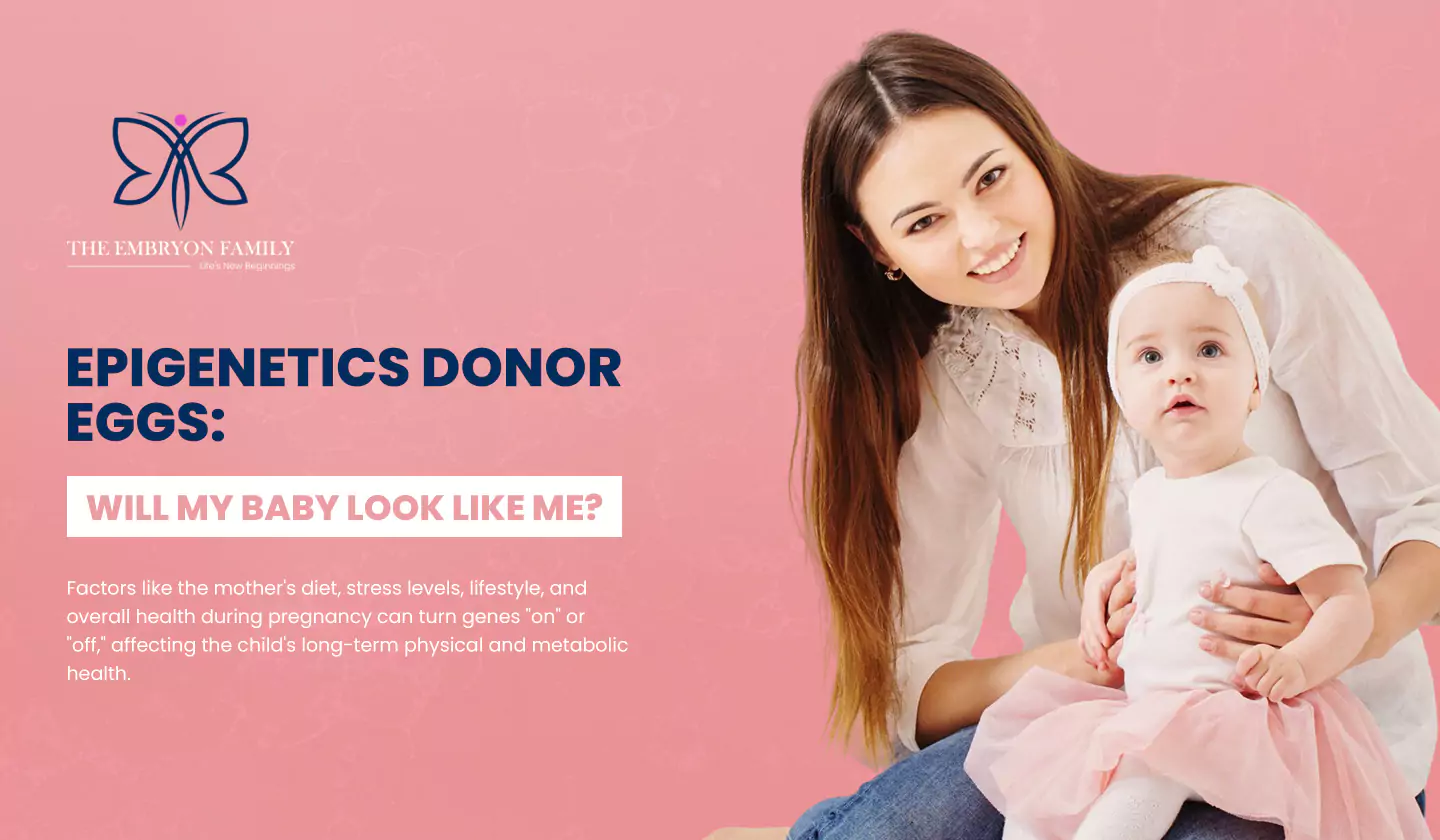
Epigenetics donor eggs explains how a birth mother can significantly influence a baby's development and characteristics, even when using donor eggs, by altering gene expression without changing the DNA sequence itself. Factors like the mother's diet, stress levels, lifestyle, and overall health during pregnancy can turn genes "on" or "off," affecting the child's long-term physical …

epigenetics donor eggs

Share

Epigenetics donor eggs explains how a birth mother can significantly influence a baby’s development and characteristics, even when using donor eggs, by altering gene expression without changing the DNA sequence itself. Factors like the mother’s diet, stress levels, lifestyle, and overall health during pregnancy can turn genes “on” or “off,” affecting the child’s long-term physical and metabolic health. While the egg donor provides the genetic material, the maternal environment during pregnancy plays a crucial role in shaping the baby’s traits and functions, demonstrating that nurture has a powerful impact alongside nature.

How Epigenetics Works in Egg Donation?

Epigenetics in egg donation involves modifications that affect how genes are expressed, not the DNA sequence itself.

What is Gene Expression?

Gene expression is the process by which cells “read” the instructions in a gene (a section of DNA) to create a functional product, usually a protein. Think of your DNA as a large cookbook, with each gene being a specific recipe. Gene expression is like a cell following a recipe to cook a dish (the protein). This process has “on/off switches” and “volume controls” to determine when and how much protein is made, allowing cells to function and adapt to different needs.

What is DNA Sequencing?

A DNA sequence is the specific order of the chemical building blocks (called bases: A, T, C, and G) that make up a DNA molecule, like letters in a sentence that spell out genetic information. DNA sequencing is the laboratory process of determining this exact order. This sequence acts as a genetic blueprint, providing instructions for building and maintaining an organism, and identifying changes (like mutations) that can lead to disease.

Maternal Environment is Key:

The uterus creates a dynamic environment for development, functioning like software for the baby’s DNA. 

Maternal Influence on Traits

Factors like nutrition, stress, and the presence of toxins can lead to epigenetic changes that influence the expression of genes for height, hair texture, and metabolic and immune functions.

Influences the Mother Can Control 

Diet: Eating a balanced diet with essential nutrients like folic acid and omega-3 is vital. 

Stress Management: Stress reduction exercises such as meditation or prenatal yoga can create a healthier uterine environment.

Lifestyle: Limiting exposure to harmful substances and avoiding alcohol, smoking, and recreational drugs are vital for healthy development.

Overall Health & Physical Condition: Maintaining good health throughout the pregnancy promotes the best possible gene function and development for the baby. 

The “Maternal Bond”

Beyond DNA: Using a donor egg doesn’t mean losing a connection; rather, it highlights the caring side of being a mother.

What is the definition of the Caring Side of Motherhood?

The nurturing aspect of motherhood involves offering profound love and affection, serving as a supportive guide, promoting a child’s health and development, and sustaining a strong, loving connection throughout all phases of life. It is marked by personal sacrifices, a dedicated commitment to values and discipline, and the capacity to be both a protector and a friend for your child.

Active Role: You play an active and significant role in your baby’s personalized development and long-term health.

How Epigenetics Influences Egg Donation IVF Treatment

Epigenetics egg donation offers a transformative choice for many intended parents, but it often brings up a common question: Will my baby from a donor egg resemble me? While genetics are important in shaping traits, new studies in epigenetics and egg donation indicate that the birth mother might have a greater impact than we once believed. In this article, we will examine how epigenetics influences egg donation and whether children conceived with donor eggs can inherit characteristics from their birth mothers.

What is Epigenetics?

Epigenetics examines how outside factors, like the mother’s surroundings, diet, and lifestyle, affect gene expression without changing the DNA itself.

Unlike conventional genetics, where traits are inherited solely through DNA, epigenetic modifications can “activate or deactivate genes,” which may influence the baby’s growth in the womb. This developing area of study sheds light on how a birth mother using a donor egg can still affect her baby’s physical characteristics and overall health.

What are External Factors in Pregnancy

External factors in pregnancy are environmental, social, or lifestyle influences that can affect maternal and fetal health.

How Does Epigenetics Influence Egg Donation?

Many intended parents are concerned that using an egg donor will mean they lack a genetic link to their child. However, epigenetics and donor eggs reveals that the birth mother significantly influences:

Gene Expression: Some genes can be turned on or off based on the biological environment provided by the birth mother.

Physical Traits: Although the child gets DNA from the egg donor, epigenetic elements can affect traits such as height, hair type, or facial features.

Health and Development: The prenatal care, nutrition, and general health of the birth mother play a role in how the baby’s genes operate.

Thus, even if the baby inherits genetic material from the donor, the birth mother’s body has a crucial impact on the baby’s development and characteristics.

Epigenetics and egg donation: The Attachment Between You and Your Baby

A major concern for parents using donor eggs is if they will feel a strong emotional link to their child. Research indicates that a deep bond between mother and baby starts during pregnancy, independent of genetic factors.

Hormonal Link: Pregnancy causes the release of oxytocin, known as the “love hormone,” which enhances the mother-child connection. 

Womb Impact: The baby develops within the birth mother’s body, experiencing her heartbeat, voice, and feelings. 

Caring Environment: How a mother cares for her child after birth influences their personality, behavior, and attachment.

This suggests that parenthood is characterized by love, care, and shared experiences—not merely genetics.

Do Babies from Epigenetics Donor Eggs Inherit Traits from the Birth Mother?

The baby gets DNA from both the egg donor and the father’s sperm, but the birth mother still has an impact. Epigenetics and donor eggs can change how some genes are expressed, which means:

  • The health and lifestyle of the birth mother during pregnancy can influence the baby’s traits. 
  • Environmental factors can affect certain physical and behavioral traits.
  • The baby might show similarities in mannerisms and expressions because of their close relationship with the mother. 

Although genetics provide the base, the environment is crucial in developing a child’s features and personality.

Does a Baby from a Donor Egg Have My DNA?

No, the baby will not possess the birth mother’s DNA because the genetic material is sourced from the egg donor and sperm provider. Nevertheless, epigenetics ivf donor egg enables the birth mother to affect gene expression, contributing to the baby’s development.

Although the child’s DNA sequence does not change, the birth mother’s body plays a role in determining which genes are activated, influencing: 

  • The baby’s health
  • Certain physical characteristics
  • Possible behavioral tendencies

Thus, even though the child does not inherit the birth mother’s DNA, her presence and care will significantly influence their growth and well-being.

Will My Epigenetics Egg Donation Baby Look Like Me?

Even though the baby inherits DNA from the egg donor, there is still a possibility that the baby might look like the birth mother in certain aspects because of epigenetics and donor eggs and environmental factors.

  • Facial Expressions & Gestures: Kids often imitate their parents’ smiles, habits, and actions, no matter the genetic link. 
  • Skin & Hair Health: The birth mother’s diet and lifestyle during pregnancy can affect the baby’s skin, hair, and general well-being. 
  • Weight & Height Potential: Although genetics are important, the mother’s care during and after pregnancy can also affect these traits.

Thus, while a baby conceived with a donor egg may not be an exact match to the birth mother, their common experiences and surroundings can lead to some similarities.

Author’s Note

Throughout my years of supporting intended parents in their journeys with epigenetics ivf donor egg and surrogacy, I have never encountered anyone who did not welcome their child with a profound mix of awe, relief, and deep affection. I often remind the couples I assist that “Overthinking kills Happiness.”

Our negative thoughts stem from our survival instincts, and the most effective way to address these feelings in the context of epigenetics donor eggs and surrogacy is to seek guidance from a professional or connect with others who have traveled the same road. I promise you, once your dream becomes a reality, the challenges and uncertainties will fade into the background.

Does Using a Donor Egg Impact My Bond with My Baby?

Absolutely not! The bond between a mother and her baby is formed through love, care, and nurturing.

  • From the time of conception, the birth mother’s body offers essential nourishment.
  • Pregnancy creates opportunities for bonding through movement, touch, and recognizing voices. Love, attention, and care after birth enhance the parent-child relationship.
  • Biological connections do not determine motherhood—love and commitment do.

The Egg Donation Program at Egg Bank Asia

At Egg Bank Asia, we understand the importance of finding the right donor and ensuring a smooth, supportive journey to parenthood. Our program offers:

We Help You Pursue Parenthood

If you’re thinking about epigenetics and egg donation and have questions regarding genetics, bonding, or our eSET donor egg IVF program, we’re ready to assist you to navigate the process.

Say Yes to A Life-Changing Experience and Book Your Free Consultation Today!

Begin your journey to parenthood with confidence. Book a consultation with The Embryon Family to discover how we can guide you on this path.

Ira Nissel

Ira Nissel

Ira Nissel, the Founder and CEO of The Embryon Family, is a native New Yorker currently residing in Kyiv, Ukraine, where he guides couples and single women on their journey to parenthood. Read his story...
Table of Contents
Share
Ira Nissel

Ira Nissel

Ira Nissel, the Founder and CEO of The Embryon Family, is a native New Yorker currently residing in Kyiv, Ukraine, where he guides couples and single women on their journey to parenthood. Read his story...
Share
Ira Nissel

Ira Nissel

Ira Nissel, the Founder and CEO of The Embryon Family, is a native New Yorker currently residing in Kyiv, Ukraine, where he guides couples and single women on their journey to parenthood. Read his story...

Leave a Reply

Your email address will not be published. Required fields are marked *

error: Content is protected !!