


Find an Egg Donor in Ukraine: Selection & Matching Explained
Debunking the Myth of Egg Donor Matching
The reality is that matching a donor involves very little. We consider
factors such as blood type, Rh factor, eye color, natural hair color,
and height, but that’s about it. Since your DNA carries 200 years of
ancestral information, predicting what traits your child will inherit
is uncertain. The combination of DNA you receive is unique; you get
50% from each parent, who in turn receives 50% from their parents,
and so forth. Thus, there’s no definitive way to know how your child will look when combining the egg donor's egg, and your partner's or sperm donor’s DNA.
You might choose a donor with brown eyes, yet your child could
have blue or green eyes from a distant ancestor. The same applies
to all the other traits and abilities or inabilities.
Then there’s the whole field of epigenetics, which is about how your environment and lifestyle can affect gene expression. Unlike genetic mutations, epigenetic changes are reversible and do not change the DNA sequence, although they can affect how your body reads that sequence.
So, don't be misled if you’re being charged for “donor matching”
and told it’s a complex process. Clear communication and
thoroughly explaining the facts are always the best approach.

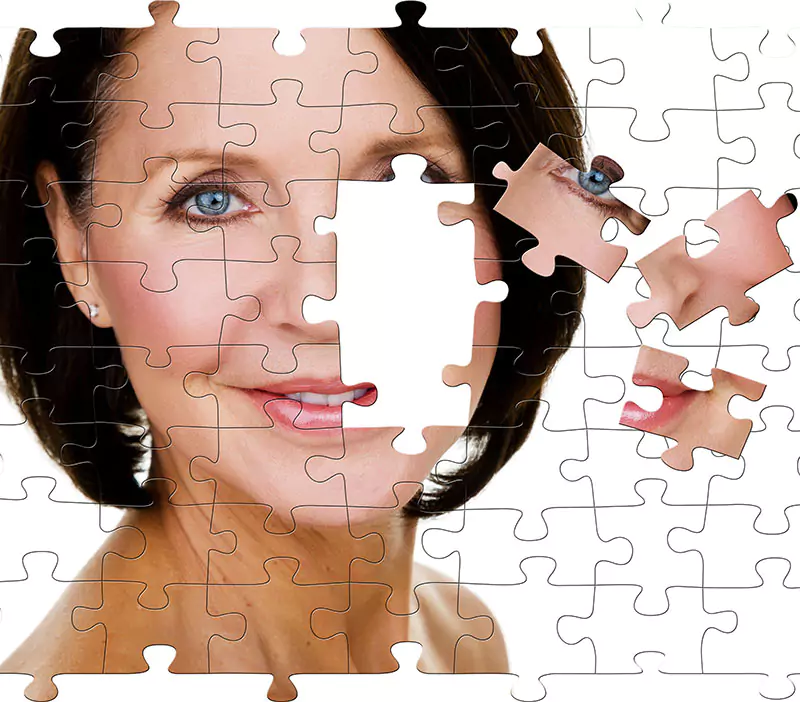
Epigenetics & Egg Donation: The Connection to the Future Child
In the case of egg donation, the genetic material is derived from the
egg donor and the male partner or sperm donor. Consequently, the
mother does not directly transmit her genetic information to the
child.
Nonetheless a mother’s impact during pregnancy can produce an epigenetic response that shapes how her baby’s genes function after being born. What this proves is that everything the mother does over those nine months like what she eats, if she stays hydrated, her stress levels and where she goes also affects how the child will develop.
How Epigenetics Relates to the Future Child: Will They Look Like
Me?
As previously noted, epigenetics helps us comprehend how an
individual's surroundings can lead to changes in the expression of
various genetic traits.
Epigenetics is vital for the future child, as their upbringing and
familial influences will significantly shape traits that may closely
resemble their parents. From the very start of their development in
the womb, the mother's lifestyle choices will impact the traits a
child exhibits.
While genetic traits are fixed, epigenetics is dynamic and can evolve
throughout a person's life. It’s not unusual for women who have
become mothers through egg donation to observe strong
similarities with their children.
Epigenetics affects a child's behavior by allowing them to adopt
habits and communication styles from those around them,
independent of their genetics. This helps explain the similarities in
people, extending beyond physical traits to include personality and
learned behaviors
Stress significantly impacts your child's genetic expression. Managing stress and anxiety during pregnancy can shape your baby's gene development. Techniques like group therapy, meditation, acupuncture, yoga, exercise, journaling, spending time with loved ones, and engaging in enjoyable activities can help.
Epigenetics and early childhood; The idea that genes are fixed has been challenged. We now know that early experiences—such as stress, nutrition, and caregiving—can alter gene expression, affecting a child's development and identity.
These epigenetic changes can have lasting effects on physical and mental health, as well as cognitive and behavioral outcomes. Providing positive experiences, such as responsive caregiving and nurturing relationships, can promote beneficial epigenetic effects and support healthy development.
Egg Donor Selection & Screening
Top 5% of Egg Donor Candidates
Just 5% of egg donors make it into our database. The Institute of Reproductive Medicine and The Embryon Family conducts a comprehensive screening of donor applicants based on strict criteria throughout the application and screening process. (ADD) The egg donor screening criteria established by the Ukrainian Ministry of Health aligns with the rigorous guidelines set forth by the US Food and Drug Administration (FDA).
Timing your Embryo Transfer to Suit Your Schedule
The main advantage of using fresh eggs is the higher
fertilization and implantation success rates; you can initiate
the process at your convenience by selecting your donor
and scheduling your embryo transfer one month in
advance. We will synchronize your donors’ cycle
accordingly.
Preplanning removes the uncertainties and fluctuations
often associated with Fresh Donor Egg cycles. All our Donors
are prescreened and available within 3 to 4 weeks.
Medication and Monitoring Phase: 3-4 Weeks
- 7-10 days of taking birth control, followed by
- 12-14 days of hormone injections to encourage ovarian stimulation
- A trigger injection is administered 32-36 hours before the egg retrieval.
The Downside of Using Frozen Donor Eggs
While some will argue that frozen eggs are readily available
and more cost-effective in Ukraine this is not the case. In
addition, The Embryon Family Center donor database
maintained by the Institute of Reproductive Medicine has an
extensive active pool of donors with a diverse mix of traits
to match all Caucasian characteristics.
The downside of Frozen donor eggs are:
- The Thawing Process: Not every egg endures the thawing process, and this procedure can occasionally impact the quality of the eggs.
- Lower Success Rates:: There are slightly less chances of a live birth with frozen eggs.
- Donor Egg Vitrification & Thawing Cycle: One of the many factors affecting an egg is going through what it goes through when a protective outer shell is changed as follows, vitrifying a oocyte, warming and rehydrating stages occurs prior to fertilization. These changes also contribute to a reduced fertilization rate of subzonal human oocytes.
Emotional Clarity and Physical Relaxation are Essential for Reaching your Goals and Staying Calm.
We care the way you feel and experience while traveling with us. If you are getting an Embryo transfer, stress and tension on your part, can also determine the result, since increased cortisol or prolactin impede implantation and pregnancy. If you are planning to have a surrogate mother with your own Embryos or from donor eggs, it is understandable that it will be like entering an unknown world. That is why we offer ample support, including a dedicated consultant available around the clock to give you peace of mind regarding your surrogate’s health and that of the child she is carrying.
Don’t hesitate to contact us if you have questions related to myths about donor matching, egg donation and surrogacy in Ukraine. You will have unlimited, free access to our team of fertility coaches and counselors.

- Dr. Vira Yuriivna Sirenko
- Obstetrician-Gynecologist, Fertility Specialist – Medical Content Reviewer
Dr. Vira Yuriivna Sirenko is an obstetrician-gynecologist and fertility specialist with a Candidate of Medical Sciences degree and over 30–40 years of experience in reproductive medicine. She specializes in the diagnosis and treatment of infertility, modern assisted reproductive technologies including IVF, and gynecological endocrinology. She practices at the Dakhno Institute of Reproductive Medicine in Kyiv, combining fundamental scientific research with active clinical practice.
- Last Updated: 26 August 2026
- Medically Reviewed
- Evidence-based